
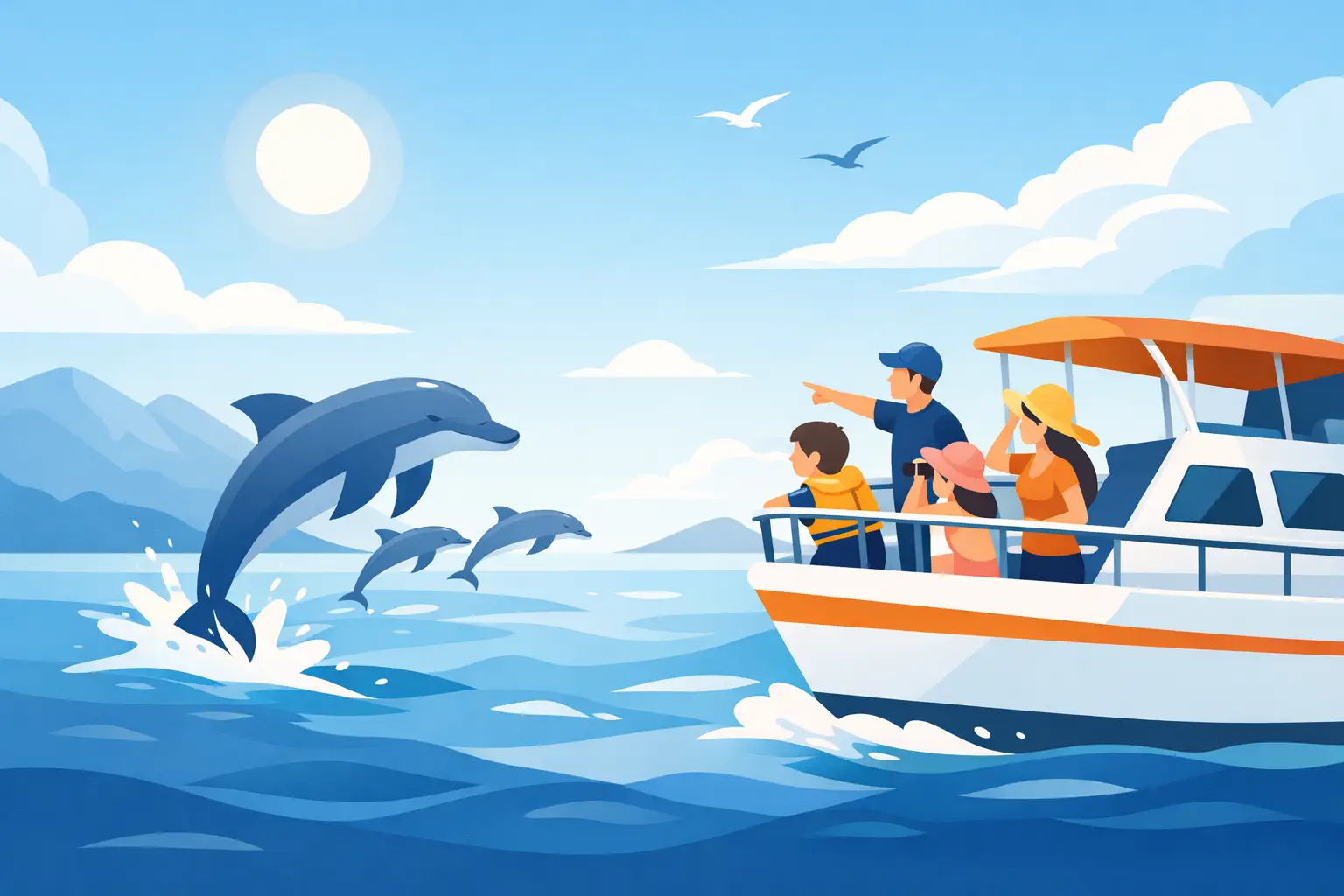
Some family outings sound great until you picture your toddler on a boat, your older kid asking a hundred questions, and everyone getting hot, hungry, or restless at the same time. That is usually when parents ask, can kids go dolphin watching? The short answer is yes. In many cases, it is one of the best boat activities for families, especially when the trip is planned around comfort, safety, and realistic expectations.
Dolphin watching has a big advantage over some vacation activities – kids do not need special skills to enjoy it. They do not need to know how to snorkel, paddle, or cast a fishing line. They just need a safe place to sit, a captain who knows where to go, and enough flexibility built into the trip so the experience stays fun instead of feeling rushed.
Can kids go dolphin watching on any kind of tour?
This is where the answer becomes more specific. Kids can absolutely go dolphin watching, but not every tour feels equally family friendly.
A large public tour may cost less, but it can also mean tighter seating, less shade, more noise, and a schedule that does not bend around your family. If your child gets overstimulated easily, needs frequent snacks, or does better with space to move around a little, a packed boat can change the whole mood fast.
A private charter tends to be the easier option for families because it gives you more control. You are not trying to keep up with a crowd or work around strangers. Your group can settle in, ask questions, and enjoy the water at a pace that feels comfortable. That matters a lot when you are traveling with younger children.
What age is best for dolphin watching?
There is no perfect age. Plenty of babies and toddlers go out on boats with no problem, and school-age kids often love it even more because they can spot fins, watch behavior, and stay engaged longer. The better question is whether the outing fits your child’s personality and your family’s comfort level.
Very young children may enjoy the ride, the breeze, and the excitement of seeing dolphins, but they may not have the patience for a long outing. Older kids usually understand what they are looking for and can build real anticipation around the experience. If your child loves animals, boats, or anything outdoors, dolphin watching is often an easy win.
If your child struggles with motion sickness, intense sun, or being confined for long periods, that does not automatically rule the trip out. It just means choosing the right length of charter, the right time of day, and the right setup becomes more important.
Safety matters more than the dolphin part
Parents usually start by asking about sightings, but the smarter question is how safe and manageable the trip feels with children on board.
A family-friendly dolphin watching trip should start with life jackets that fit properly and a captain who is licensed, experienced, and comfortable hosting kids. Clean seating, a steady boat, and clear safety guidance also make a difference. So does having a trip format that is not chaotic from the moment you leave the dock.
Kids feed off the energy around them. If boarding feels rushed and confusing, they can get anxious before the fun even starts. When the captain is calm, organized, and clearly used to helping families, parents can relax too. That changes the whole experience.
Sun protection is another part of safety that families sometimes underestimate. Even on a beautiful day, the heat can wear kids down quickly on the water. Shade, drinks, snacks, and breaks from direct sun are not extras. They are part of what keeps the trip enjoyable.
How long should a dolphin watching trip be with kids?
For most families, shorter is usually better than overly ambitious. A half-day outing often hits the sweet spot. It gives the captain enough time to cruise to good viewing areas, look for dolphins, and still keep the trip light and enjoyable for younger passengers.
That said, it depends on your kids. Some families want dolphin watching to be one part of a broader day on the water, with swimming or relaxing mixed in. Others want a focused outing without stretching attention spans too far. Neither choice is wrong. The best plan is the one your group can genuinely enjoy without turning the day into a test of patience.
If you are vacationing with little ones, try not to pack too much into one boat day. Seeing dolphins, enjoying the ride, taking photos, and soaking up the experience is already plenty.
Best times for kids to go dolphin watching
Morning trips are often easiest for families with young children. Kids are usually fresher, temperatures are milder, and the water can be calmer. Early outings also help you avoid the late-afternoon slump when children get tired, hungry, and less impressed by things that seemed magical a few hours earlier.
That does not mean afternoon trips are a bad idea. Some families have kids who do better after a slow start or nap. Vacation schedules are rarely perfect. The key is choosing a time when your child is usually in a good mood and not pushing them onto a boat when they would rather be asleep or eating lunch.
Weather also matters more with kids than adults sometimes admit. Even a fun boat ride can feel long if the sun is intense or the wind picks up. A good captain will factor in conditions and steer the day toward the most comfortable experience possible.
What to bring for a smooth family trip
Parents do not need to pack for every possible scenario, but a little planning goes a long way. Bring the basics that keep kids comfortable and calm: sunscreen, hats, water, snacks, towels, and anything your child usually needs when out for a few hours.
If motion sickness is a concern, think about it before boarding rather than after the boat leaves the dock. If your child is sensitive to motion, talk with your pediatrician ahead of time about what is appropriate for their age. Light food, hydration, and avoiding too much sugary junk before the trip can also help.
A change of clothes can be surprisingly useful too. Even if your main goal is dolphin watching, kids and water tend to find each other.
What families should expect from the dolphins
This part matters because expectations can make or break the mood. Dolphin watching is wildlife viewing, not a staged attraction. Dolphins are often active and visible in coastal waters, but no ethical captain should promise a performance.
The good news is that kids usually do not need a perfect National Geographic moment to be thrilled. A fin breaking the surface, a quick splash near the boat, or the excitement of spotting movement in the water is often enough to create the memory they talk about later.
The best captains know how to make the experience engaging even between sightings. They point things out, explain what kids are seeing, and keep the outing feeling like an adventure rather than a waiting game. That is especially helpful for children who need interaction to stay interested.
Why a private boat often works better for families
If you are deciding between a crowded tour and a private charter, this is where families usually feel the biggest difference. On a private boat, your child can react like a child. If they need a snack, a quieter moment, or a quick shift in pace, the trip does not have to revolve around a crowd.
That flexibility is not just about convenience. It often leads to a better dolphin watching experience overall because everyone is more comfortable. Parents are less stressed. Kids are less overwhelmed. The captain can focus on your group instead of managing a large passenger load.
For families visiting Panama City Beach and the surrounding Emerald Coast, that private format can turn a simple boat ride into one of the easiest vacation highlights. Emerald Islands Boating is built around that kind of small-group experience, with licensed captains, clean pontoons, and family-friendly trips that feel personal from the start.
So, can kids go dolphin watching and actually enjoy it?
Yes, absolutely – when the trip fits the child, not just the brochure.
The best family dolphin watching outings are the ones that stay simple. Choose a comfortable boat, keep the timing realistic, bring what your kids need, and let the day unfold without forcing too much into it. Children do not need a complicated itinerary to have a great time on the water. Usually, they just need a safe seat, a little wonder, and that exciting moment when someone points and says, there they are.