
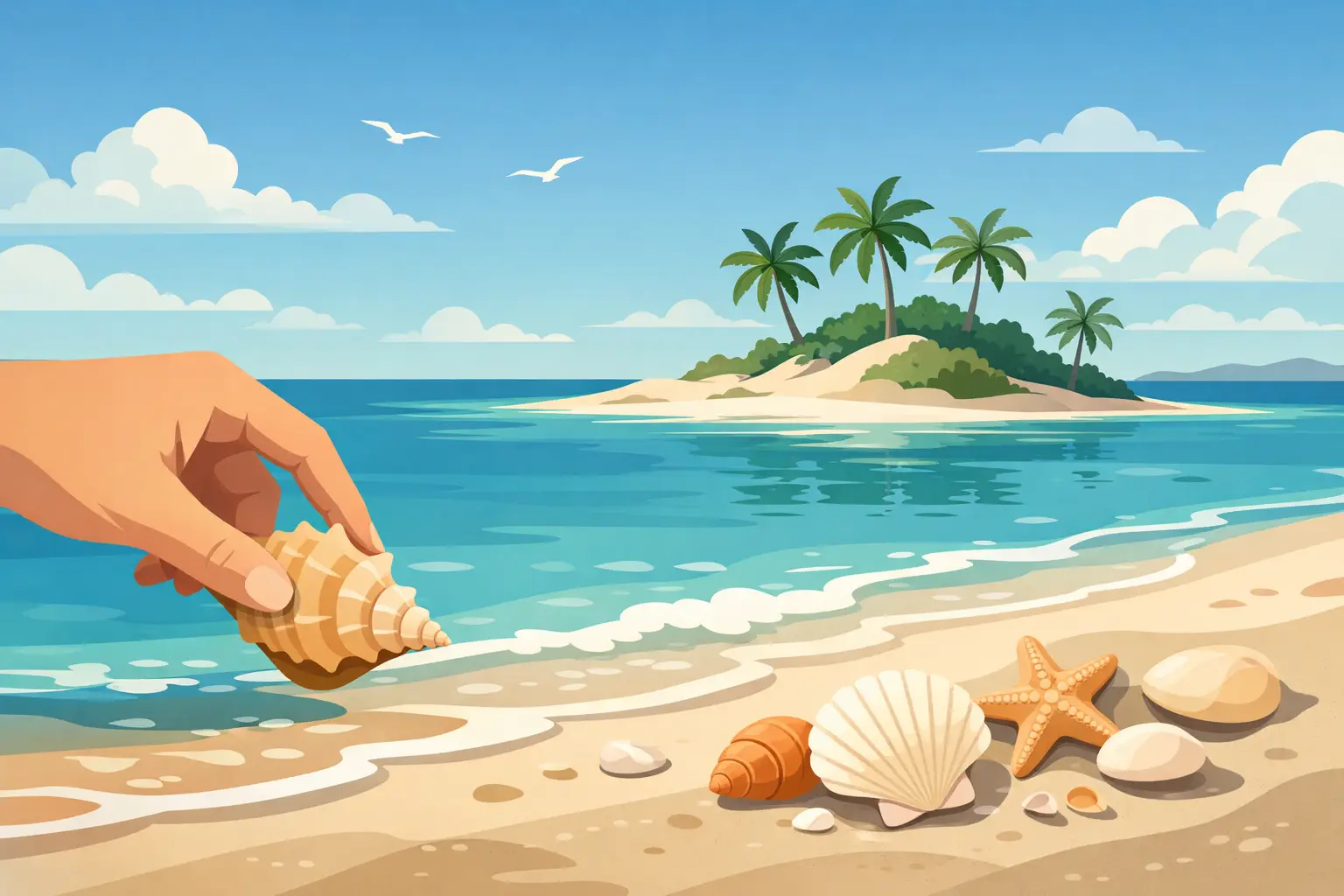
That question usually comes up right after someone finds a perfect sand dollar or a shell with all the edges still smooth – can you take shells from Shell Island? The short answer is sometimes, but you need to be careful about what you collect, where you collect it, and whether anything living is still inside.
If you are planning a beach day around shelling, this is one of those small details that can make a big difference. Nobody wants to bring home a souvenir and later realize it should have stayed in the water. The best Shell Island trips are the ones where you enjoy the shoreline, respect the habitat, and leave with the kind of memories that still feel good after vacation ends.
Can You Take Shells From Shell Island Legally?
In general, people often collect empty shells from Florida beaches for personal enjoyment. That said, beach rules, protected areas, and wildlife laws can complicate what seems like a simple yes-or-no question. Shell Island is valued for its natural beauty and wildlife, so the safest approach is to treat shelling as something you do thoughtfully, not casually.
The biggest distinction is whether the shell is truly empty. If a shell has a living animal inside, taking it is a problem. The same goes for creatures that may look inactive but are still alive. Hermit crabs are the obvious example, but they are not the only one. A shell that appears abandoned may still be occupied by a small marine animal, and removing it from the shoreline or shallow water can harm that animal quickly.
There is also a difference between collecting a few empty shells for personal keepsakes and taking large amounts. Small-scale shelling is very different from filling bags or buckets as if the beach were a supply store. Natural areas stay beautiful when visitors leave most of what they find behind.
What You Should Never Take
The easiest rule is this: if it is alive, leave it alone.
That includes live shells, sand dollars that are still living, starfish, crabs, and anything else actively using the shoreline or shallow grass flats as habitat. Even if it looks sturdy enough to survive a short walk up the beach, that does not mean it should be handled or removed.
It is also smart to avoid taking bird nests, eggs, turtle-related materials, coral pieces that may be protected, or anything that seems unusual enough that you are not sure what it is. On a barrier island, a lot of natural material plays a role in the ecosystem. What looks decorative to a visitor may be shelter, food, or part of a protected habitat.
If you have to guess whether something is alive, protected, or better left alone, that is usually your answer.
How to Tell if a Shell Is Empty
This is where people get tripped up. A shell can look empty and still not be a good candidate to take.
If there is any movement, moisture deep inside, a visible animal, or a strong odor, leave it where you found it. Hermit crab shells are easy to spot once you know what to look for, but smaller marine life can be harder to notice. Some shells also contain animals tucked far enough inside that you will not see them at first glance.
A good shell to keep is one that is clearly vacant, washed ashore, and not being used by anything. Even then, taking a few is the better move. You do not need a giant collection to remember a great day on the water.
For families with kids, this is a nice chance to turn shelling into part treasure hunt, part nature lesson. Children usually enjoy the search just as much as the souvenir, especially when someone explains why certain finds stay on the beach.
Why Shelling Rules Matter More Than People Think
Shells are not just pretty beach decorations. They are part of a living cycle.
Empty shells become future homes for hermit crabs. Broken shell material contributes to beach and marine habitats over time. Small fish and invertebrates use nearshore areas where shells collect. When thousands of visitors each take “just a few,” the impact adds up.
That does not mean responsible shelling is always off-limits. It means moderation matters. There is a real difference between enjoying a traditional beach activity and stripping a shoreline of the natural details that make it special in the first place.
At Shell Island, that natural feel is a big part of the experience. People come for the clear water, wildlife, quiet stretches of sand, and the sense that it still feels less disturbed than many heavily trafficked beaches. Respecting the island helps keep it that way.
Best Practices If You Want to Collect a Few Shells
If shelling is part of your day, keep it simple. Look above the wash line for shells that have already been tossed ashore. Check carefully to make sure they are empty. Take only a small number, and skip anything rare-looking, fragile, or actively being used by wildlife.
It also helps to carry your finds loosely rather than packing them into overstuffed bags. Broken shells are less useful to you and less likely to be left behind when people collect more than they really want. A small mesh pouch or even a single pocketful is usually enough.
Timing matters too. Early mornings and calmer stretches after the tide shifts can be great for finding shells, but they are also times when shorebirds and marine life may be actively feeding near the waterline. Enjoy the search without chasing wildlife or disturbing resting areas.
If you are boating over for the day, shelling is usually best as one part of the trip, not the whole agenda. Swim, snorkel, look for dolphins, walk the shoreline, and collect a few memorable pieces if the conditions are right. That approach tends to feel more relaxed and a lot more fun.
Shell Island Etiquette Everyone Appreciates
Good shelling etiquette is pretty straightforward. Do not dig up large areas of beach. Do not crowd someone else’s spot. Do not leave trash behind while collecting nature souvenirs. And do not treat wildlife like part of the entertainment.
The same goes for photo moments. It is fine to admire a starfish, sand dollar, or crab if you happen to see one, but handling animals for pictures is rarely worth it. A quick snapshot in the water or from a respectful distance is usually the better choice.
Families, couples, and small groups often have the best experience when they approach Shell Island with a little patience. Some days the shelling is excellent. Some days the better story is the water color, the birds, or a dolphin sighting on the ride over. That is part of what makes the island feel real rather than staged.
A Better Question Than Can You Take Shells From Shell Island?
A more useful question might be: which shells should you leave behind?
That mindset keeps you on the right side of both common sense and conservation. Instead of assuming everything on the beach is fair game, you slow down and notice what is actually there. You end up making better choices, and the island stays healthier for the next family, the next season, and the wildlife that depends on it every day.
For visitors who want a smoother experience, local guidance helps. A captain who knows the area can often point out where shelling is best, where wildlife tends to gather, and how to enjoy the island without second-guessing every find. That kind of local knowledge can turn a good beach day into a much easier one.
Emerald Islands Boating is built around that kind of private, relaxed day on the water – your group, your pace, and a captain who helps you enjoy places like Shell Island responsibly.
So, Can You Take Shells From Shell Island?
Yes, you may be able to take a few empty shells for personal enjoyment, but only if they are truly unoccupied and you are collecting responsibly. Live shells, marine animals, and anything questionable should stay exactly where you found them.
When in doubt, leave it out of the bag.
That choice usually leads to the best kind of souvenir anyway – a beach day you remember for the water, the wildlife, and the feeling of finding something beautiful without needing to take all of it home.

Pingback: Shell Island Boat Tour Review: Worth It? – Emerald Islands Boating